Common STD Symptoms Women Should Know
About 20 million new STIs happen each year in the U.S., says the CDC. Knowing the signs of STD in females is key for quick medical help. Anybody who is sexually active can get STIs.
It’s important to take care of your health. Knowing the common STD symptoms in women can stop big health problems. If you feel something’s off, get tested right away.
Key Takeaways
- Be aware of unusual vaginal discharge or odor.
- Recognize symptoms like genital itching or burning during urination.
- Understand the risks associated with sexually transmitted infections.
- Get tested regularly if you’re sexually active.
- Don’t delay medical consultation if symptoms persist.
Why STD Symptoms in Women Often Go Unnoticed
STD symptoms in women can be hard to spot. This is why knowing about them is so important. Many STDs don’t show symptoms at all. This means women might not know they have an infection.
The Anatomy of Female Reproductive System and Symptom Visibility
The female body has many parts that can get sick from STDs. These parts can hide symptoms. For example, chlamydia and gonorrhea can hurt the cervix, uterus, or fallopian tubes. But these problems might not be easy to see.
It’s key to know how STDs affect the body. Women should watch for any changes, no matter how small.
The Dangerous Reality of Asymptomatic Infections
Asymptomatic STDs are very dangerous. Women might not get checked because they don’t feel sick. This can lead to serious health problems.
These infections can also spread to others. This keeps the cycle of infection going.
Statistics on Asymptomatic STDs in Women
Many STDs in women don’t show symptoms. For instance, up to 70% of women with chlamydia might not feel sick. This shows why regular tests are so important.
Being proactive about health is key. Don’t delay getting tested. Many STIs don’t show symptoms, so you might not know you have one.
Don’t wait until it’s too late. Regular testing is a must. Knowing the risks and acting early can keep you and your partners safe.
Chlamydia: The “Silent” Infection
Chlamydia is a common STD that can be serious if not caught early. It’s caused by Chlamydia trachomatis and affects both men and women.
Recognizing Chlamydia Symptoms When They Appear
Chlamydia often doesn’t show symptoms. But some women might notice:
- Abnormal vaginal discharge
- Pain during urination
- Lower abdominal pain
- Bleeding between periods
These signs can be mild and easy to miss. So, it’s key to get tested often if you’re active.
Pelvic Inflammatory Disease and Fertility Concerns
Not treating chlamydia can lead to Pelvic Inflammatory Disease (PID). This can cause infertility and chronic pain. PID happens when the infection goes up to the upper genital tract, harming the reproductive organs.
Testing and Treatment Options
Chlamydia is diagnosed with a urine test or swab. If found, it’s treated with antibiotics. It’s important for all sexual partners to get tested and treated too. For more on chlamydia, its symptoms, and treatment, check this resource.
Gonorrhea: Warning Signs Every Woman Should Know
It’s key for women to know about gonorrhea symptoms. This bacterial infection can harm health if not treated.
Common and Uncommon Symptoms of Gonorrhea
Women with gonorrhea might notice odd vaginal discharge, pain when they pee, and belly pain. Some might bleed between periods or after sex.
Less common signs include pain or discharge in the rectum. Or throat pain if it spreads through oral sex.
Potential Complications if Left Untreated
Not treating gonorrhea can cause big problems. It might lead to pelvic inflammatory disease (PID). This can make it hard to have kids and cause ongoing belly pain.
It also raises the chance of getting HIV. And it can make pregnancy risky.
Antibiotic Resistance Concerns
There’s a growing worry about gonorrhea that’s hard to treat. This makes it vital to get tested and treated fast.
| Symptom | Description |
|---|---|
| Abnormal Vaginal Discharge | Unusual or increased discharge from the vagina |
| Painful Urination | Burning or discomfort while urinating |
| Abdominal Pain | Lower abdominal pain or cramping |
Trichomoniasis: The Most Common Curable STD
Knowing about Trichomoniasis is key for women’s health. It’s a common and treatable STD. If not treated, it can cause big health problems. It’s caused by a parasite that attacks the vagina, vulva, or cervix.
Identifying Trichomoniasis Symptoms
Symptoms of Trichomoniasis can be different. They might include odd vaginal discharge, itching, or irritation. Some women might feel pain when they pee or have sex. But, many women with Trichomoniasis don’t show any signs, so getting tested regularly is very important.
How Trichomoniasis Affects Pregnancy
Trichomoniasis can be very serious for pregnant women. It can make labor come too early. It can also be passed to the baby, but this is rare. Pregnant women with Trichomoniasis need to get treated right away to avoid problems.
Treatment and Partner Notification
Trichomoniasis is treated with antibiotics, like metronidazole or tinidazole. It’s very important for both partners to get treated to avoid getting sick again. Women with Trichomoniasis should also get tested for other STDs because they often have them too.
| Symptoms | Complications if Untreated | Treatment |
|---|---|---|
| Abnormal discharge, itching, irritation | Preterm labor, increased risk of other STDs | Antibiotics (metronidazole or tinidazole) |
Genital Herpes: Understanding Outbreaks and Transmission
It’s important for women to know about genital herpes. This infection is caused by the herpes simplex virus (HSV). It can cause outbreaks and be very uncomfortable.
Primary vs. Recurrent Herpes Symptoms
Genital herpes symptoms can change between first and later outbreaks. Primary outbreaks are usually worse. They can include many painful blisters, fever, and swollen lymph nodes.
Recurrent outbreaks are milder and don’t last as long. Some people feel tingling or itching before the outbreak starts.
Knowing these symptoms helps manage the condition better. It also helps prevent passing it to others.
Managing Herpes Long-term
Managing genital herpes long-term needs a few things. Antiviral medicine can help lessen outbreaks. Eating well and exercising also helps your health.
Stress management is key too. Things like meditation and yoga can help reduce outbreak chances.
Reducing Transmission Risk
To lower the chance of passing genital herpes, use condoms every time. They help a lot, but remember they might not cover all areas. Taking antiviral medicine can also help by reducing how much virus is present.
Talking openly with your partner about herpes is also important. It helps prevent passing it on.
Human Papillomavirus (HPV): Beyond Genital Warts
Human Papillomavirus (HPV) is a common sexually transmitted infection. It can cause serious health problems for women. It’s more than just genital warts.
Visible and Hidden Symptoms of HPV
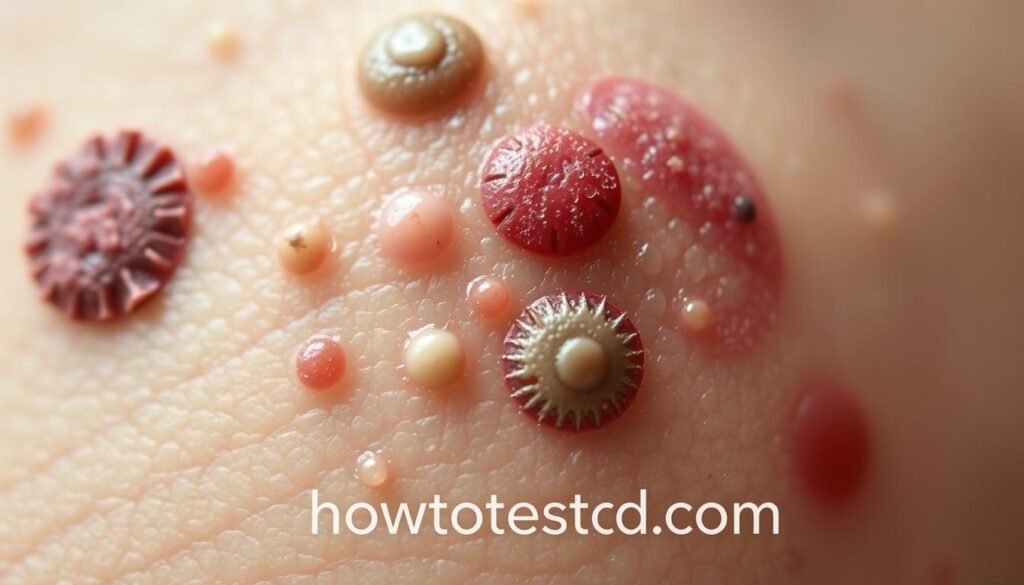
HPV shows up in different ways. Some strains cause genital warts. Others don’t show symptoms but can cause big health problems. Women need to know the possible symptoms, like changes in cells that might not be easy to see.
The Link Between HPV and Cervical Cancer
Some HPV strains raise the risk of cervical cancer. HPV and cervical cancer are linked. It’s important for women to know the risks and take steps to prevent it. Getting regular check-ups helps find problems early.
Vaccination and Prevention Strategies
There are good ways to stop HPV and its problems. Vaccination is a key way to prevent it, given before sex starts. Also, safe sex and regular health checks help lower HPV risk.
Knowing about HPV, its signs, and health risks is key for women’s health. By staying informed and taking action, women can lower their risk of HPV problems.
HIV/AIDS: Early Symptoms Women Shouldn’t Ignore
Knowing the early signs of HIV/AIDS can help women get better faster. HIV attacks the immune system. If not treated, it can turn into AIDS. It’s important to know the early symptoms to act quickly.
Acute HIV Infection Signs
HIV infection starts with flu-like symptoms 2-4 weeks after getting the virus. These can be fever, rash, sore throat, and muscle aches. Women should watch for these signs, as they can look like other illnesses.
“The early symptoms of HIV infection are often nonspecific and can be similar to those of other viral infections, making it challenging to diagnose based on symptoms alone.”
Later-Stage Symptoms Specific to Women
Women with HIV may get symptoms like yeast infections, PID, and abnormal Pap smears. These signs mean their immune system is weak and they need to see a doctor.
Testing Options and Treatment Advances
Finding HIV early is key to treating it well. There are quick tests and home kits for testing. Thanks to new treatments, people with HIV can live healthy lives. Women who are sexually active should get tested often, if they have risk factors like many partners or STDs.
| Testing Method | Description | Result Timeline |
|---|---|---|
| Rapid Test | Provides quick results using a blood sample | 20 minutes |
| Home Test Kit | Allows individuals to test themselves in private | 1-3 days (lab-based) |
| ELISA Test | A laboratory-based test for detecting HIV antibodies | 1-2 weeks |
Knowing about HIV/AIDS and its symptoms helps women take care of their health. Testing often and knowing the early signs are important for managing the disease.
When to Seek Immediate Medical Attention
Knowing when to get medical help for STD symptoms is key. If you have bad symptoms or think you got an STD, act fast.
Emergency Warning Signs
If you see these signs, get medical help right away:
- Severe abdominal pain that doesn’t go away
- Unusual discharge or bleeding
- Painful urination or trouble peeing
- Fever over 101.5°F (38.6°C)
- Visible sores or lesions in the genital area
Finding STD Testing and Treatment Resources
Need STD testing or treatment? Here are some places to go:
Community Health Centers
Local health centers have affordable STD testing and treatment. They also offer counseling and support.
Online Testing Options
There are online places to get STD tests discreetly. You can get results privately and even talk to doctors online.
Confidential Testing Services
Many clinics and health centers keep your STD test private. They make sure your info stays safe.

Getting tested and treated on time is very important. It helps stop or slow down health problems from STDs. If you think you have an STD, get medical help right away.
Conclusion: Protecting Your Sexual Health
Keeping your sexual health safe is very important. It helps prevent sexually transmitted infections (STIs). You can lower your risk by getting vaccines, having fewer partners, and using condoms.
Knowing STD symptoms in women is key. Spotting the signs of STD in females early helps you get help fast. This can prevent serious problems later.
STD prevention is a team effort. Being proactive helps keep your relationship healthy and strong.
Being informed and taking action can greatly lower STI risks. By focusing on your sexual health, you can live a happier and healthier life.
FAQ
What are the common STD symptoms in women?
Women might notice abnormal vaginal discharge or painful urination. They might also feel genital itching or burning. Sometimes, they might feel pelvic pain. But, many STDs don’t show symptoms, so getting tested is key.
Why are STD symptoms often unnoticed in women?
Women’s bodies can make it hard to notice symptoms. This is because of how their reproductive system is built. Also, many STDs don’t show symptoms at all.
What are the risks of undiagnosed STDs in women?
Not knowing you have an STD can cause big problems. It can lead to pelvic inflammatory disease or infertility. It also raises the risk of getting HIV. So, it’s very important to get tested regularly.
What are the symptoms of chlamydia in women?
Women with chlamydia might notice abnormal vaginal discharge or painful urination. They might also feel pelvic pain. But, many women don’t show symptoms, so testing is very important.
How is gonorrhea diagnosed and treated?
Doctors use a pelvic exam and lab tests to find gonorrhea. Treatment is antibiotics, but some bacteria are becoming resistant. So, finding and treating it quickly is very important.
What are the symptoms of trichomoniasis in women?
Women with trichomoniasis might see abnormal vaginal discharge or feel itching or burning. They might also have painful urination. Treatment is antibiotics, and telling your partner is key to avoid getting it again.
How can genital herpes be managed?
Antiviral medicine can help manage genital herpes. It can lessen symptoms and lower the chance of passing it to others. Using condoms and safe sex practices also helps.
What is the link between HPV and cervical cancer?
Some types of HPV can lead to cervical cancer. Getting the HPV vaccine can help prevent it. Regular Pap tests can catch problems early, before they turn into cancer.
What are the early symptoms of HIV infection in women?
Early HIV symptoms in women might feel like the flu, with fever and tiredness. Later, they might get recurring infections or pelvic inflammatory disease.
Where can I find STD testing and treatment resources?
You can find STD testing and treatment at community health centers or online. There are also confidential testing clinics. Many doctors offer these services too.
What are the emergency warning signs that require immediate medical attention?
If you have severe pelvic pain, heavy bleeding, or symptoms of pelvic inflammatory disease, get help right away. These are signs that need quick medical care.

About anstd.com Local Accurate Private Fast STD Testing

Banish Genital Warts: Your Step-by-Step Removal Plan

STD Testing for Couples: Prioritize Your Health
About The Author
